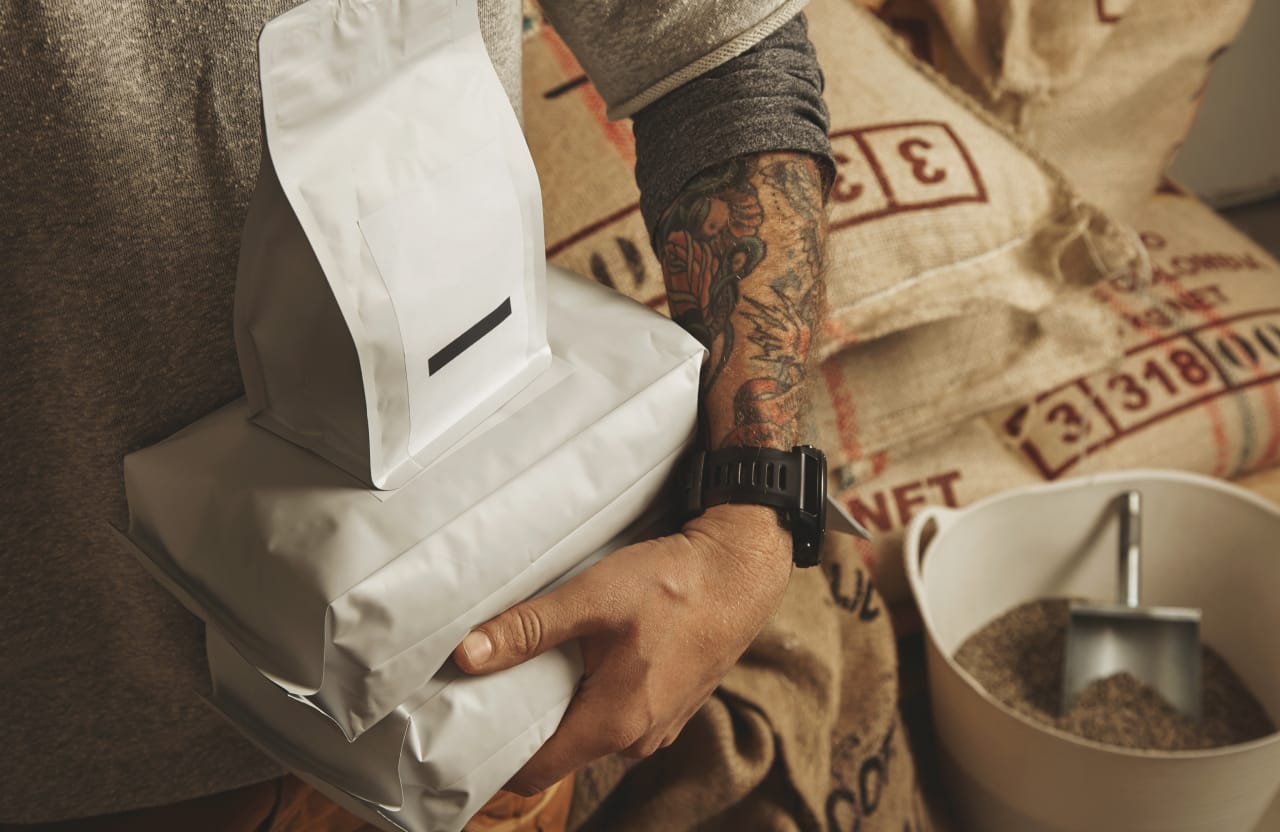
Let's be honest about something: the coffee industry has a carbon problem.
From farms to ships to roasters to your doorstep, every bag of coffee carries an environmental cost. The beans travel thousands of miles. Roasting requires significant energy. Packaging creates waste. And that's before we even talk about agricultural practices at origin.
We've spent the last three years asking ourselves a hard question: how do we make exceptional coffee while treading lighter on the planet? Not through greenwashing or vague promises, but through measurable changes that actually matter.
Here's where we are—and where we're going.
Measuring What Matters
You can't reduce what you don't measure. So in 2022, we conducted our first comprehensive carbon audit, tracking emissions across every stage of our supply chain.
The results were humbling.
| Source | % of Total Emissions |
|---|---|
| Green coffee transport | 38% |
| Roasting energy | 27% |
| Packaging materials | 18% |
| Last-mile delivery | 12% |
| Facility operations | 5% |
Shipping raw beans from origin to our roastery accounted for the largest share—not surprising given we source from three continents. Roasting came second, followed by packaging. Local delivery and day-to-day operations were relatively minor contributors.
This data gave us a roadmap. Attack the biggest sources first.
"Sustainability isn't about perfection. It's about progress in the places where progress matters most."
What We've Changed
Smarter Shipping Routes
We can't eliminate shipping—coffee doesn't grow locally, and we won't pretend otherwise. But we can be smarter about how beans travel.
Previously, we imported small lots frequently, often by air when timing was tight. Now we've restructured our buying calendar to consolidate shipments. Larger orders, fewer trips, all by sea freight. The result: a 34% reduction in transport emissions since 2022.
We've also partnered with a carbon-conscious freight company that optimizes container loads and uses newer, more efficient vessels. It costs slightly more. We think it's worth it.
Transitioning to Electric Roasting
Our original roaster was a beautiful vintage machine—and a natural gas guzzler. Last spring, we installed a new electric drum roaster powered entirely by renewable energy through our utility's green power program.
The learning curve was real. Electric roasters behave differently, and it took nearly two months to dial in our profiles to match the quality we'd established. Some batches went to compost. But we got there.
The impact:
- 100% renewable energy for all roasting operations
- 27% reduction in overall carbon footprint
- Cleaner, more consistent roast profiles as a bonus
Rethinking Packaging
Coffee packaging is genuinely difficult to solve. Beans need protection from oxygen, moisture, and light. Most effective barriers involve plastic or aluminum—materials that don't recycle well in most municipal systems.
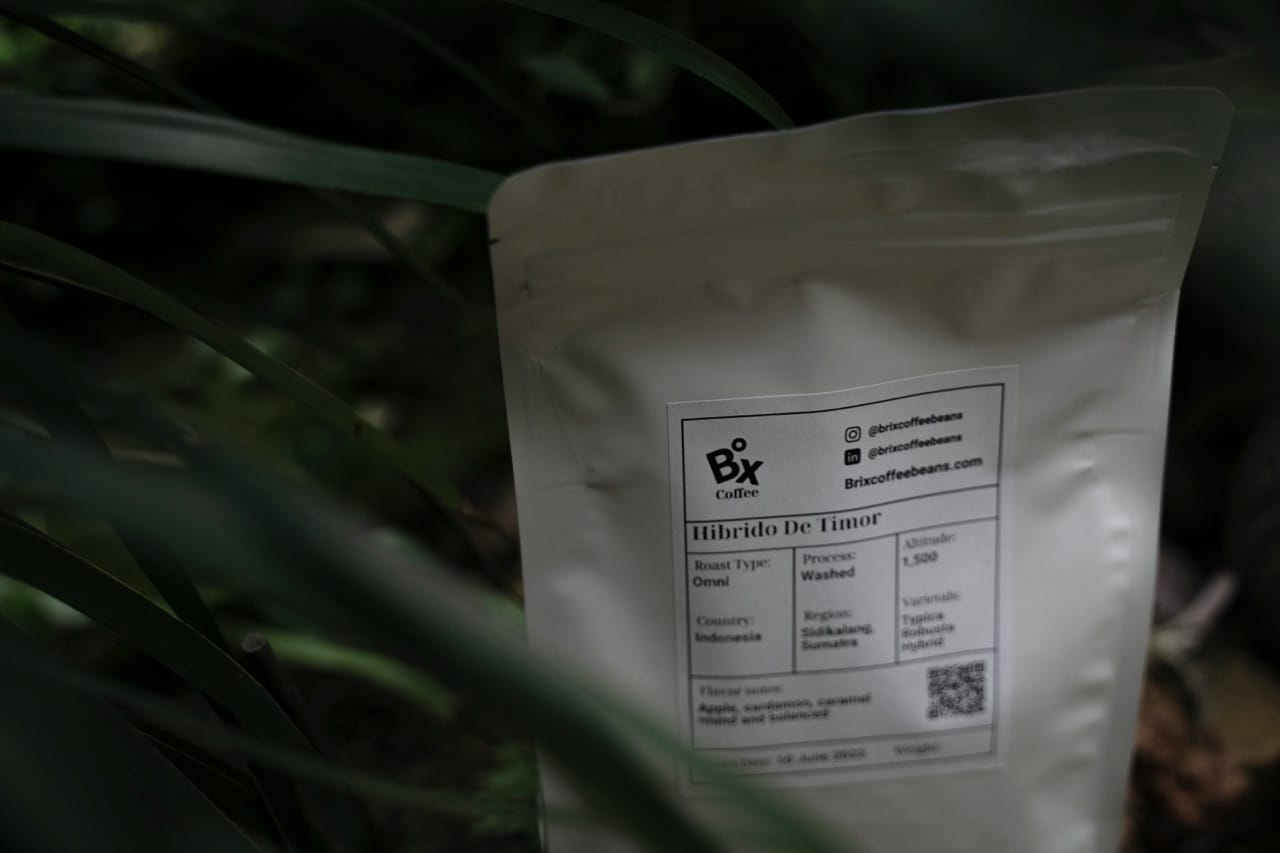
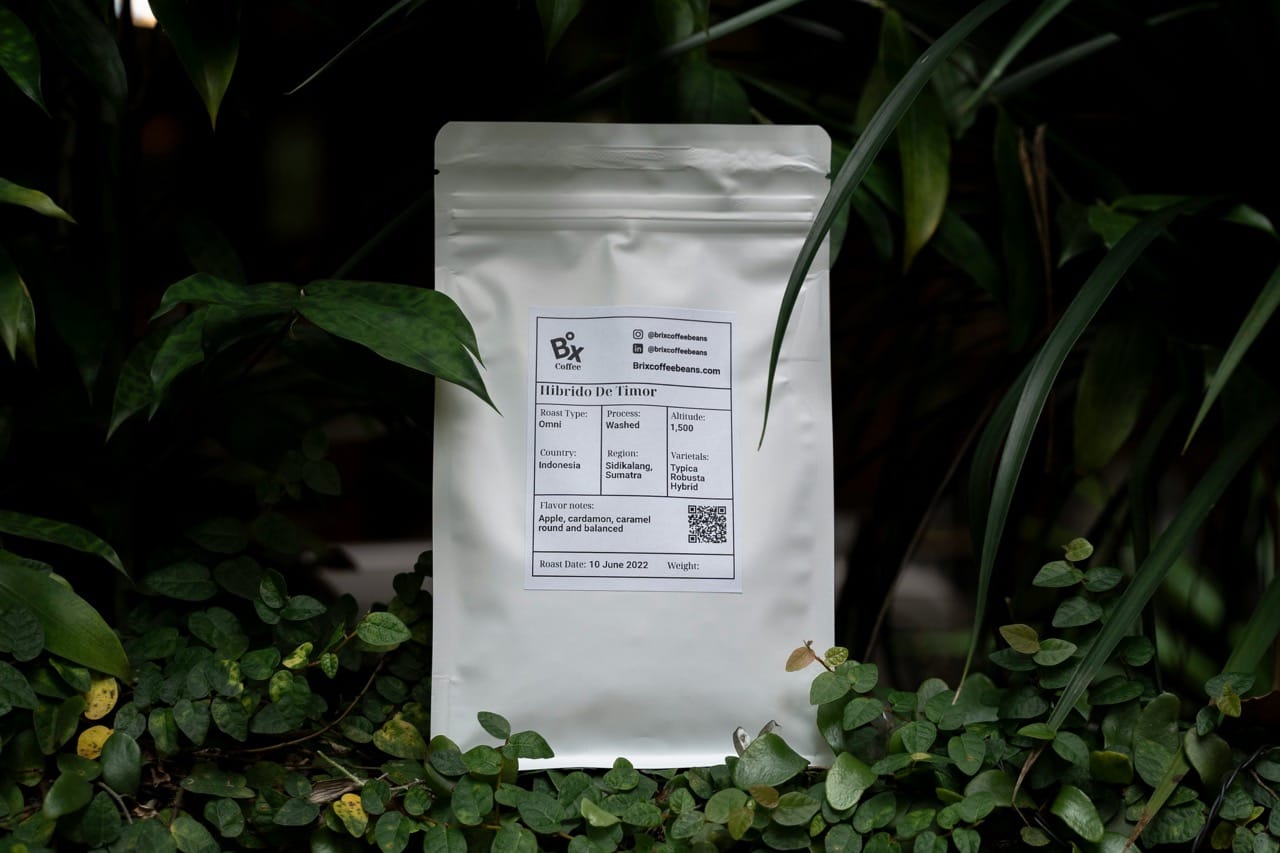
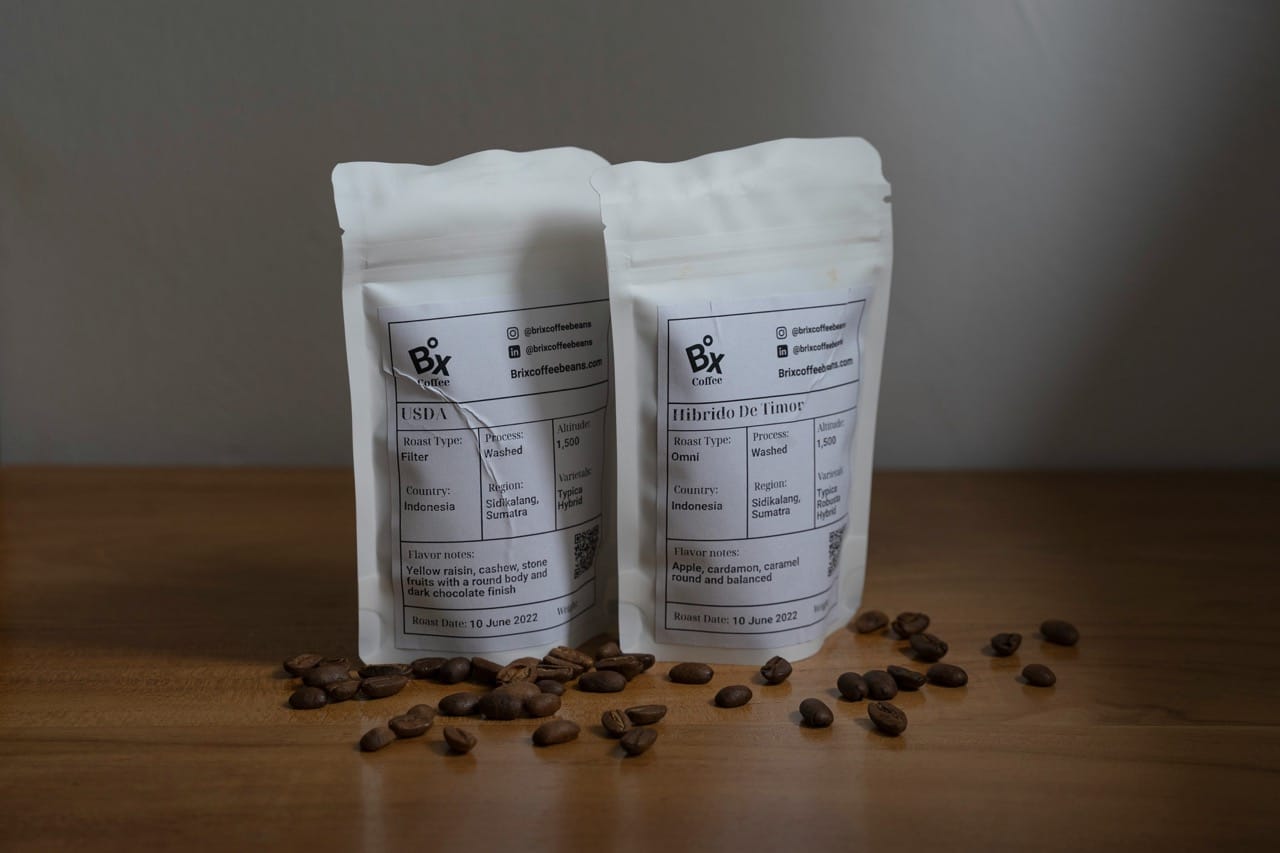
Here's where we landed:
- Bags: We switched to a plant-based, commercially compostable film. It's not perfect—it requires industrial composting facilities—but it's a significant step up from traditional multilayer packaging.
- Labels: Soy-based inks on recycled paper.
- Boxes: 100% recycled cardboard, right-sized to reduce void fill.
- Tape: Paper tape with natural adhesive. No plastic.
We also launched a bag return program. Send back five empty bags, and we'll give you $5 off your next order. The returned bags go to a commercial composting partner. It's not a closed loop yet, but it's closer.
Carbon Offsets (With Caveats)
We purchase verified carbon offsets for emissions we haven't yet eliminated. Currently, that covers shipping and the small percentage of non-renewable energy in our supply chain.
But we want to be transparent: offsets are a bridge, not a destination. They let companies claim "carbon neutral" while continuing business as usual. We refuse to use them as an excuse to stop making real operational changes.
Our goal is to shrink the portion of our footprint that requires offsetting every single year.
What We Haven't Solved Yet
Transparency means admitting what's still broken.
Single-serve packaging. Our coffee pods use aluminum, which is technically recyclable but rarely actually recycled. We're testing compostable alternatives, but performance issues remain. This is an active problem without a good solution yet.
Customer travel. When you drive to a café or farmers market to buy our beans, that trip has a footprint we can't control. We're expanding our subscription program partly to reduce these one-off trips.
Agricultural emissions. Coffee farming itself produces carbon—from land use, fertilizers, and processing at origin. We're working with our sourcing partners to support regenerative practices, but this is a long-term project measured in years, not quarters.
The Quality Question
Here's what we get asked most often: does any of this affect how the coffee tastes?
The short answer is no. The longer answer is that it's actually improved some things.
The electric roaster gives us more precise temperature control, which has made our light roasts cleaner and more consistent. Consolidating shipments means beans spend less time in transit, arriving fresher. Even the packaging change helped—the new bags have better oxygen barriers than our old ones.
Sustainability and quality aren't opposing forces. Often, the more thoughtful choice is also the better choice for the cup.
Our Commitments Going Forward
We're publishing these goals publicly because accountability matters:
- 2025: Eliminate all non-compostable packaging from retail products
- 2026: Reduce total carbon footprint by 50% from 2022 baseline
- 2027: Launch a direct partnership program funding regenerative agriculture at origin
- 2030: Achieve net-zero operations without relying on offsets
We'll report progress annually, including the parts where we fall short.
Why This Matters to Us
Coffee is an agricultural product, dependent on climate stability in ways most industries aren't. Rising temperatures, unpredictable rainfall, and shifting growing zones threaten the future of specialty coffee itself. The regions producing the beans we love are among the most vulnerable.
This isn't abstract for us. It's existential.
We're a small roaster. Our individual impact on global emissions is negligible. But we believe in the power of collective action—hundreds of small companies making better choices, thousands of consumers supporting those choices, an industry slowly bending toward something more sustainable.
Your morning cup can be part of that.