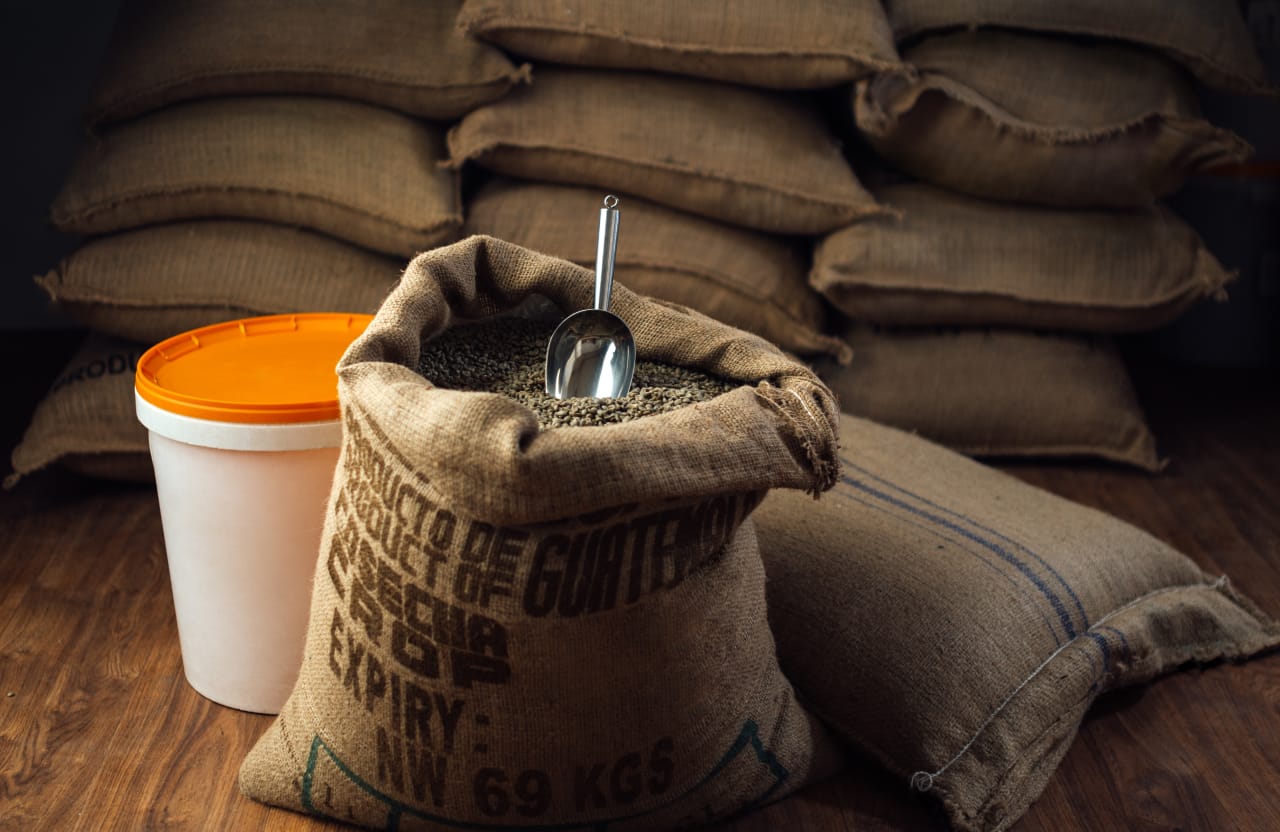
You've seen it on coffee bags. That little phrase—"direct trade"—sitting near the origin information, suggesting something better, more ethical, more connected than ordinary coffee. It sounds good. It feels good to buy.
But what does it actually mean?
Unlike "organic" or "fair trade," there's no official certification for direct trade. No governing body. No audits. Any roaster can slap those words on a bag without meeting any particular standard. That doesn't mean the term is meaningless—but it does mean you have to dig deeper to understand what you're actually supporting when you buy it.
Let's unpack what direct trade is supposed to represent, how it differs from other ethical labels, and why—when done right—it might be the most impactful way to buy coffee.
The Basic Idea
At its core, direct trade means the roaster has a direct relationship with the coffee producer. No middlemen. No anonymous commodity markets. Just a roaster and a farmer (or cooperative) working together.
In traditional coffee supply chains, beans pass through multiple hands:
| Stage | Player |
|---|---|
| 1 | Farmer grows and harvests coffee |
| 2 | Local collector aggregates from small farms |
| 3 | Mill processes and prepares for export |
| 4 | Exporter handles logistics and paperwork |
| 5 | Importer brings coffee into destination country |
| 6 | Roaster buys, roasts, and sells |
Each intermediary takes a cut. By the time coffee reaches a roaster through conventional channels, the farmer might receive a tiny fraction of the final retail price—sometimes less than 10%.
Direct trade aims to shorten this chain. The roaster builds a relationship directly with the producer, negotiates prices face-to-face, and ensures more money flows back to the people who actually grew the coffee.
"Direct trade isn't just about cutting out middlemen. It's about knowing whose hands touched your coffee and making sure those hands were fairly compensated."
Direct Trade vs. Fair Trade
People often confuse these terms, but they represent fundamentally different approaches.
Fair Trade
Fair Trade is a certification system. Producers pay to be certified, meet certain standards, and in return receive a guaranteed minimum price for their coffee—currently $1.80 per pound for washed arabica, plus a $0.20 premium for community development.
Pros:
- Third-party verification
- Price floor protects against market crashes
- Standards for labor and environmental practices
Cons:
- Certification costs can burden small farmers
- Minimum price hasn't kept pace with specialty coffee values
- Bureaucratic process favors larger cooperatives
Direct Trade
Direct trade has no certification. It's a philosophy, not a system. When done well, it means:
- Roasters visit farms personally
- Prices are negotiated transparently, often well above Fair Trade minimums
- Long-term relationships provide stability for farmers
- Quality feedback flows both directions
Pros:
- Often pays significantly more than Fair Trade prices
- Flexible, relationship-based approach
- Can support tiny producers who can't afford certification
Cons:
- No verification or accountability
- Requires trusting the roaster's claims
- Quality varies enormously between roasters
What Good Direct Trade Looks Like
Since there's no standard definition, how do you know if a roaster's direct trade claims are meaningful? Look for specifics.
Transparency About Pricing
The best direct trade roasters publish what they paid for green coffee. Not vague statements about "paying above market rate"—actual numbers.
For context:
- Commodity coffee (C-market): ~$1.50–2.00/lb
- Fair Trade minimum: $1.80/lb + $0.20 premium
- Good direct trade: $3.00–6.00/lb or higher
If a roaster claims direct trade but won't discuss pricing, that's a red flag.
Named Producers
Direct trade means knowing who grew your coffee. Look for:
- Farm or cooperative names
- Producer names
- Specific regions, not just countries
- Altitude, variety, and processing details
A bag that says "Ethiopian Direct Trade" tells you almost nothing. A bag that says "Worka Sakaro Cooperative, Gedeb District, Yirgacheffe, Ethiopia—produced by 340 smallholder farmers at 1,950–2,100 meters" tells you the roaster actually knows their source.
Ongoing Relationships
One farm visit doesn't make direct trade. The real value comes from multi-year partnerships where farmers can invest in quality improvements knowing they have a committed buyer.
Ask roasters: How long have you worked with this producer? Do you buy from them every harvest? What's changed in the relationship over time?
Why It Matters
For Farmers
Coffee farming is precarious. Commodity prices fluctuate wildly. Climate change threatens traditional growing regions. Many farmers earn less than $2 per day.
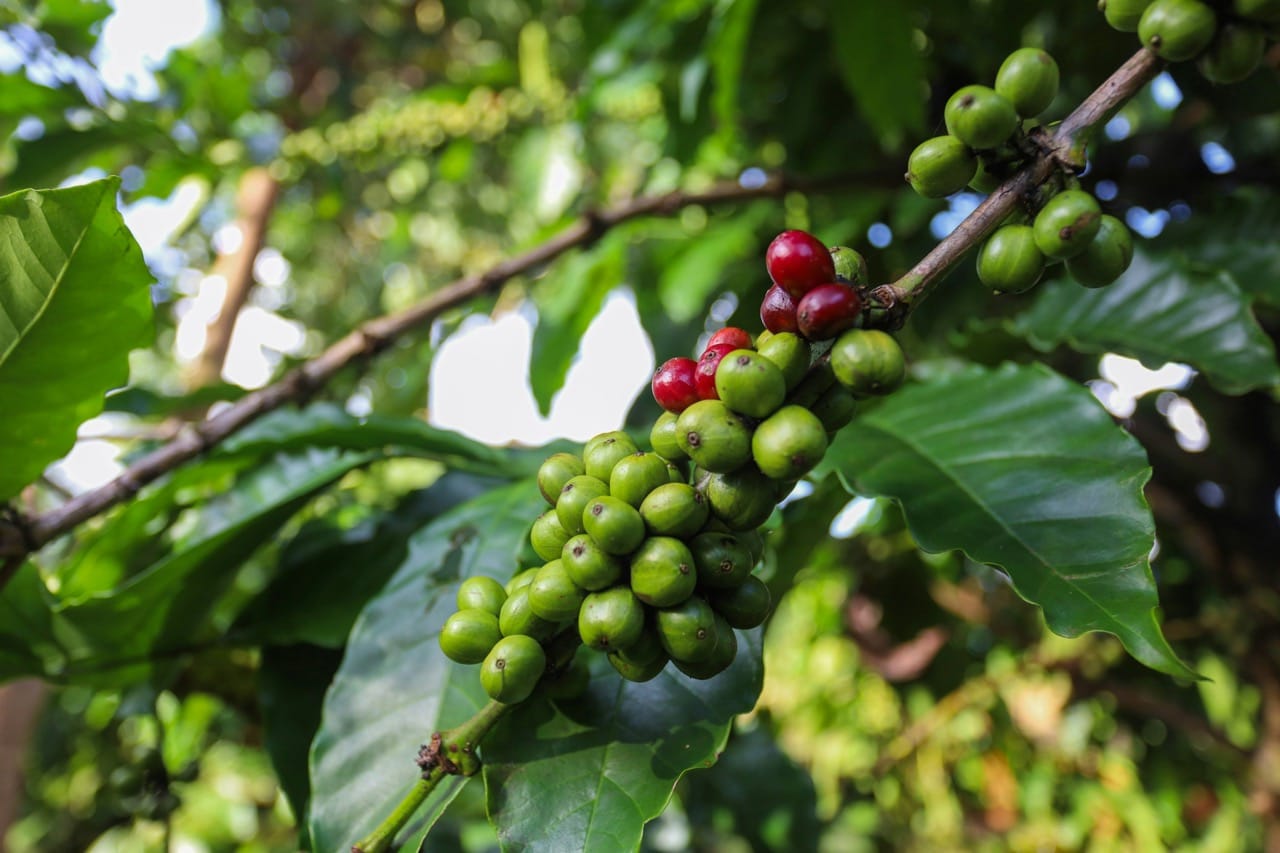
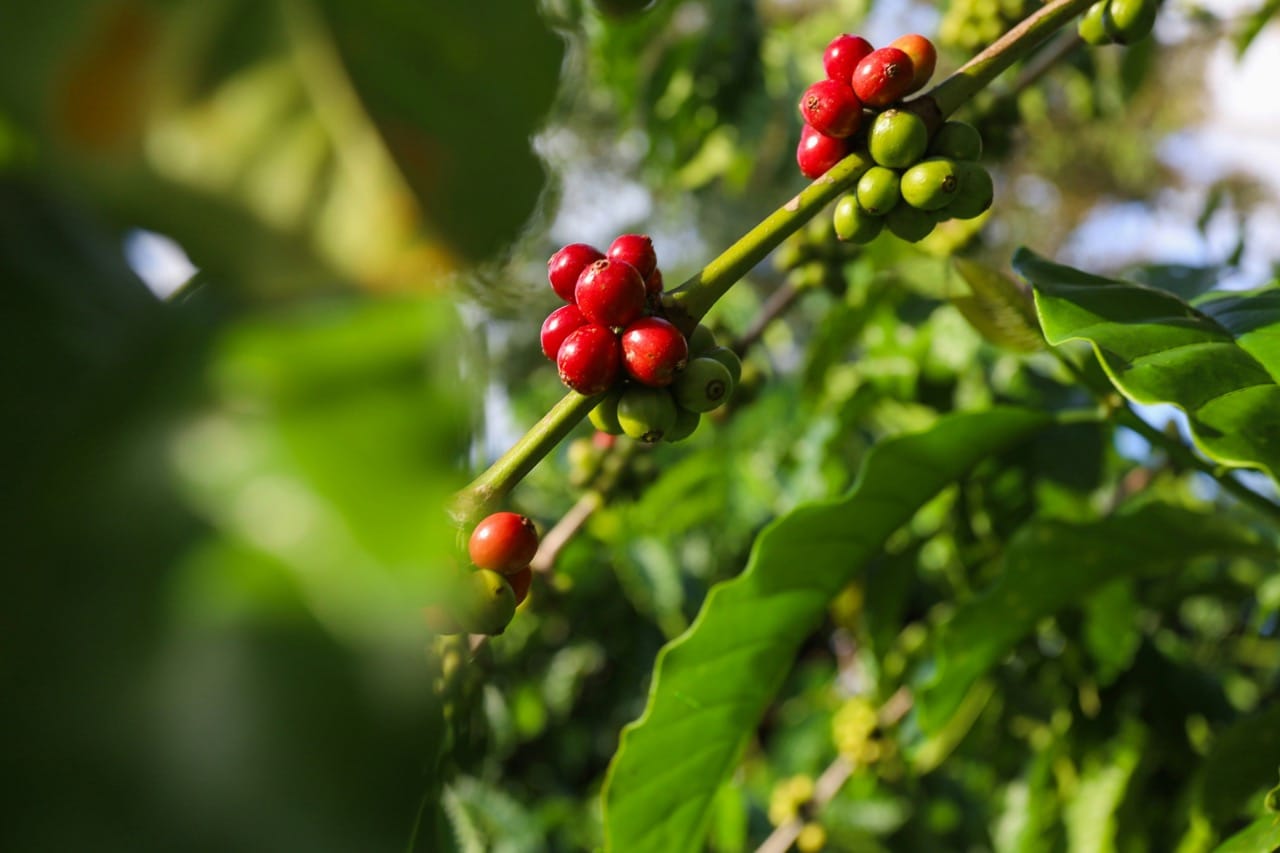
Direct trade—when practiced honestly—offers stability. Guaranteed buyers. Prices that reflect actual quality. Feedback that helps farmers improve. Investment in infrastructure like wet mills and drying beds.
We've seen producers we work with build new homes, send children to university, and invest in their farms because they knew we'd be back next year, paying fairly.
For Coffee Quality
Here's the selfish reason to care: direct trade produces better coffee.
When farmers know they'll be rewarded for quality, they invest in it. Better picking, more careful processing, experimental fermentation techniques. The incentive structure matters.
Commodity markets don't reward excellence—a perfectly processed lot gets blended with mediocre neighbors and sold at the same price. Direct trade breaks that dynamic.
For the Industry
Every direct trade relationship demonstrates that another way is possible. That coffee doesn't have to be an extractive, exploitative industry. That transparency and fairness can coexist with profitability.
It's not a complete solution. Direct trade can't fix systemic issues like land inequality or climate vulnerability. But it's a step—one that more roasters and consumers take every year.
How to Be a Smarter Buyer
Not all direct trade claims are equal. Here's how to evaluate them:
Green flags:
💚 Specific farm and producer names
💚 Published green coffee prices
💚 Multi-year relationships mentioned
💚 Photos and stories from origin visits
💚 Willingness to answer questions about sourcing
Red flags:
🚩 Vague language without specifics
🚩 "Direct trade" used as pure marketing
🚩 No information about producers
🚩 Defensiveness when asked about practices
The Honest Limitations
We believe in direct trade. We practice it. But we also believe in honesty about its limitations.
Direct trade requires resources. Traveling to origin is expensive. Building relationships takes time. Small roasters often can't do it at scale. Some rely on trusted importers who do the relationship-building on their behalf—which isn't quite direct, but can still be ethical.
Direct trade also isn't a magic solution. It helps individual producers but doesn't address broader issues: volatile markets, climate change, generational poverty in coffee-growing regions. Those problems require systemic change beyond what any roaster can provide.
What direct trade does offer is a starting point. A way to buy coffee that aligns values with purchasing power. A connection, however small, between the person drinking the coffee and the person who grew it.
That connection matters. And it starts with understanding what you're actually buying.
Want to learn more about our sourcing practices? Visit our Transparency Report for detailed information on every coffee we buy—including producer names, prices paid, and the stories behind each lot.